



Productivity is often explained through methods, planners, or applications. However, behind the motivation to start and finish tasks there is a much deeper mechanism: the neurobiology of the brain. One of the central elements of this system is dopamine, a neurotransmitter that plays a key role in motivation, learning, and decision-making.
Understanding how dopamine works allows us to design more efficient ways of working. It is not simply about “having more motivation”, but about understanding how the brain decides which tasks are worth starting and which ones it prefers to avoid.
When this mechanism is understood, productivity stops depending exclusively on willpower and begins to rely on the natural way the brain works.
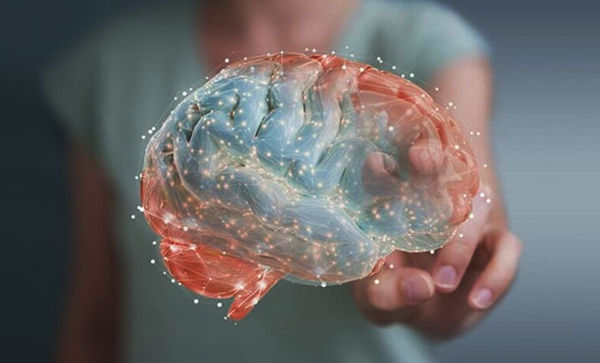
Dopamine Is Not Pleasure, It Is Anticipation
In popular culture dopamine is often described as the “pleasure hormone”. In reality, its main function is different. Dopamine is more closely related to the anticipation of a reward than to pleasure itself.
When the brain perceives that an action may generate a valuable result, it releases dopamine. This chemical signal increases motivation and prepares the brain to act.
This mechanism was crucial in human evolution. Our ancestors needed motivation to search for food, explore territories, and solve complex problems.
Today the same system remains active when we work on projects, solve tasks, or learn something new.
Why Some Tasks Create Motivation and Others Do Not
Not all activities activate the dopaminergic system with the same intensity. The brain constantly evaluates three factors before deciding how much effort to dedicate to a task:
- The expected reward
- The probability of success
- The effort required
When a task seems too difficult, too long, or too abstract, the brain reduces dopamine release. As a result, procrastination appears.
This does not necessarily mean a lack of discipline. Often it simply means the brain does not perceive a clear reward.
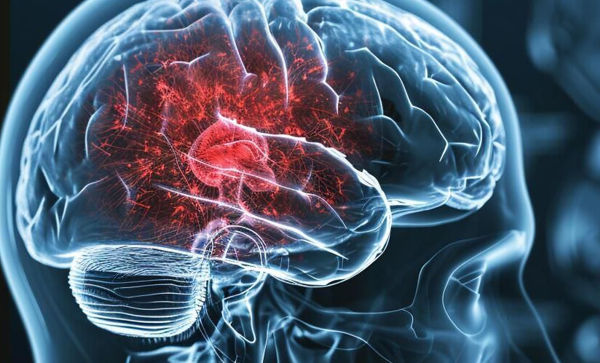
The Problem with Tasks That Are Too Big
One of the most common mistakes when organizing work is defining tasks that are too large or vague. For example:
- Write a report
- Prepare a presentation
- Organize a project
From the brain’s perspective, these tasks are difficult to process because they have no clear starting point or immediate reward.
When a task is perceived as undefined, the dopaminergic system activates with less intensity. This explains why it is easier to start small tasks than large projects.
The Power of Small Goals
Breaking work into small goals completely changes how the brain processes a task.
Every time a concrete goal is completed, the brain registers a reward. This process generates small releases of dopamine that reinforce motivation to continue.
For example, instead of “write an article”, the work can be divided into simpler steps:
- Write the title
- Define three main ideas
- Write the first paragraph
- Review the text
Each of these steps provides a clear signal of progress.
This approach transforms complex projects into sequences of small cognitive rewards.

The Progress Circuit
When the brain detects progress, motivation increases. This phenomenon is known as the progress effect.
Even small advances can activate the dopaminergic system if the brain interprets that it is moving toward a meaningful goal.
That is why many productivity methodologies use visual tools such as task lists or progress boards.
Seeing completed tasks does not only organize work. It also sends positive signals to the brain.
The Trap of Digital Rewards
The dopaminergic system evolved to respond to rewards related to survival and learning. However, the modern digital environment exploits this system very intensely.
Notifications, social networks, and short-form content generate rapid and unpredictable rewards.
These types of stimuli can create dopamine cycles much more frequently than those associated with deep work.
As a result, tasks that require prolonged concentration may appear less attractive compared to immediate digital stimuli.
How to Protect Concentration
To maintain stable motivation levels during work, it is important to reduce interruptions that compete for attention.
Some simple strategies include:
- Turning off notifications during work periods
- Grouping email or message checks into specific times
- Defining time blocks dedicated to complex tasks
These measures help maintain attention focused on a single objective.
The Role of Rest
The dopaminergic system also requires recovery. Working for many hours without breaks reduces the brain’s sensitivity to rewards.
When this happens, even important tasks may feel difficult to start.
Short breaks allow the brain to recover cognitive energy and restore motivation.
This principle explains why many productivity techniques alternate periods of intense work with short pauses.
Learning and Dopamine
Dopamine also plays an essential role in learning. Each time the brain detects improvement or discovers a solution, the neural connections associated with that process are reinforced.
This mechanism allows the brain to learn which strategies work best.
That is why work environments that allow experimentation, idea testing, and learning from mistakes tend to generate stronger long-term motivation.
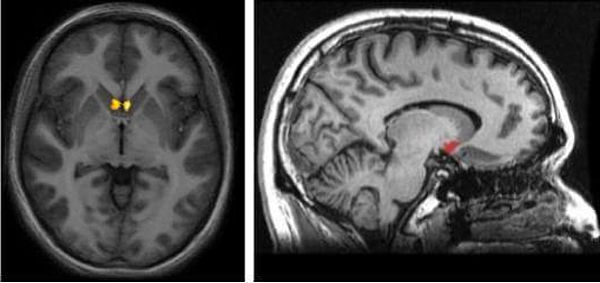
Designing Work for the Brain
Understanding how dopamine works allows us to design work systems that are more compatible with human biology.
Instead of depending exclusively on discipline, tasks can be structured in a way that allows the brain to perceive progress, rewards, and clear objectives.
Some simple practices can make a big difference:
- Break projects into concrete steps
- Record visible progress
- Reduce digital interruptions
- Alternate deep work with breaks
These strategies do not change the amount of work we must do. But they change how the brain experiences that work.
Productivity Based on Neurobiology
Productivity does not depend only on methods or digital tools. It also depends on how these methods interact with the functioning of the brain.
Dopamine is one of the central elements of that system.
When tasks generate clear signals of progress and reward, the brain responds with greater motivation and concentration.
Understanding this mechanism allows us to work in a smarter and more sustainable way.
Instead of constantly fighting procrastination, it becomes possible to design work environments that cooperate with the natural way the brain makes decisions and pursues goals.